Automatic Cat Feeder Jammed? No Alert, No Light, No Log
The short answer: a jam is a mechanical event, and whether the machine tells you about it is a separate design decision that varies by model, by app, and by whether anything is up on the other end. A September 2026 r/CatAdvice poster looking for a feeder that could handle half-inch kibble described the failure as “No warning message. No flashing lights. Nothing.” PETLIBRO One RFID owners report the same silence from the other side: a feeding log that stopped recording while the cats were still eating, and scheduled feedings that stopped with the unit showing offline and no email sent. Six checks below catch a jam before a missed meal turns into a missed week.
A feeder that jams at home costs a meal. A feeder that jams while you are three states away costs the trip, and owners describe the second version in almost the same words as the first. In a September 2026 thread on r/CatAdvice, a poster hunting for a machine that could handle half-inch kibble described the failure they were trying to escape and wrote that a jam produces “No warning message. No flashing lights. Nothing.”
That sentence is the problem in one line. A jam is a mechanical event, and whether you hear about it is a separate design decision that varies by model, by app, and by whether anything is up on the other end. petiqlab read the manufacturers’ own clearing documentation on October 5, 2026 and the owner reports below, and has not tested these feeder models. What follows is what the machines do when the chute backs up, what the documentation actually promises, and six checks that catch a jam before a missed meal turns into a missed week.
What owners describe when the chute backs up
The reports divide into two groups, and the division has nothing to do with price.
| Machine | What the owner reported | What the machine told them |
|---|---|---|
| PETLIBRO One RFID, three units | Feeding log stopped recording while the cats were eating (thread) | Nothing. The log went quiet |
| PETLIBRO One RFID, a second home | Scheduled feedings stopped, the unit showed offline | “stopped working and said nothing … I certainly didn’t get any email” (thread) |
| VacQueen, three bowls | Jammed and stopped dispensing | A food jam message, sent repeatedly (thread) |
| CatIt Pixie | Jammed on a larger urinary-care kibble | Nothing described. The owner opened the reservoir (thread) |
| An unnamed feeder | Would not take half-inch kibble | “No warning message. No flashing lights. Nothing.” (thread) |
Two of those five cases produced a message, which is worth saying plainly because the internet’s version of this story is that no feeder ever warns anyone. The VacQueen owner did get alerts, and the machine stopped working anyway, so the alert arrived and the feeding did not. An early warning that you cannot act on from a hotel is better than silence and it is still not a fix.
Three ways a jam stays quiet
The alert is optional hardware. PETLIBRO’s own clearing guide lists four reasons to take the machine apart, and one of them is that “a jam alert appears”. That tells you an alert exists somewhere in the product line. It does not tell you the model in your kitchen has the sensor that fires it.
The log fails before the notification does. In both PETLIBRO cases above, the visible symptom was a gap in the app’s feeding history while the cats ate normally. A missing log line is a failure you have to go looking for. Nothing pushes it, and nothing on the home screen flags it either.
The path from machine to phone has three links. A feeder that reports through its app depends on the chute or motor sensing the problem, on the home Wi-Fi carrying it, and on the manufacturer’s servers being up. Break any one link and the alert dies with it. That is the finding in petiqlab’s power outage test, where the backup batteries protect the feeding schedule and do nothing at all for the notification chain.
What the makers call a jam
Both manufacturers publish a procedure, and reading them side by side is the fastest way to see where the responsibility sits.
| PETLIBRO, from its clear-a-jam guide | PetSafe, from its E004 support page | |
|---|---|---|
| Kibble the maker specifies | Dry kibble between 2 and 15 mm. Avoid large square, crescent-shaped or irregular pieces | A quarter inch to a half inch, printed as 5 mm to 12 mm. No canned, moist, semi-moist or wet food |
| Load and setup rules | Tank about half full, stirring paddle installed securely | Empty the hopper to reach the chute, remove the Food Savor Pouch first |
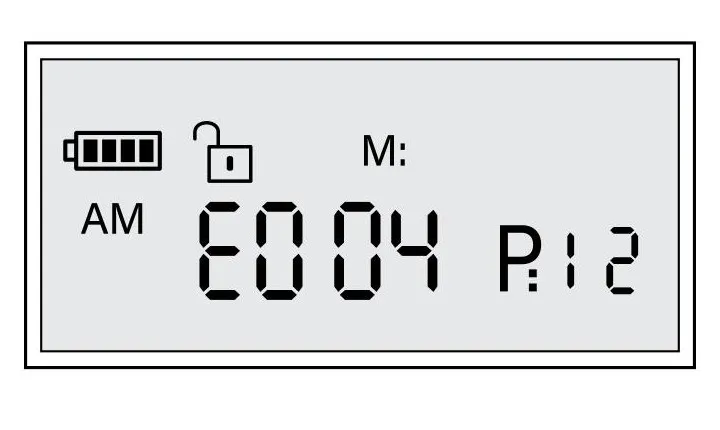
| What the machine signals | The guide is used when food is stuck, the rotor reverses, nothing dispenses, or a jam alert appears | “Error Code E004 and a red light on the front of your feeder above the LCD” |
| Cleaning | Remove visible food, powder and foreign objects from the rotor and the dispensing chute | Plastic parts are hand-wash only. The dishwasher will “melt and warp” them |
| When it keeps jamming | Three manual feedings, then app feedback from Me to Feedback so device logs upload | Contact Customer Care |
PETLIBRO’s page and PetSafe’s page have the same shape. Each one treats a jam as a food problem or an assembly problem, and each is written for an owner who has already noticed something wrong. PetSafe’s is built around a code you can read off the machine. PETLIBRO’s asks you to upload device logs after the fact, which helps support and does nothing for a cat waiting at an empty bowl.
The kibble arithmetic is the detail to carry into a purchase. Half an inch is 12.7 mm, which sits inside PETLIBRO’s published 2 to 15 mm band and just outside PetSafe’s 5 to 12 mm band. Two machines that look equally capable on a product page do not accept the same food, and the difference is 0.7 mm.
PetSafe’s page also makes a link that owners rarely think about. It warns that reassembling the feeder and adding food while the parts are wet or damp will cause dry food particles to stick to the inner workings and can jam, and that the same trapped moisture allows mold growth. A feeder that jams twice in a fortnight can be a feeder that was never dried properly.
Six checks before you trust the schedule
- Measure your kibble. A cheap ruler against the maker’s published band beats any review, and the two brands above do not publish the same band. If your food is a mix with freeze-dried chunks or odd shapes, PETLIBRO’s page asks you to avoid crescent and irregular pieces outright.
- Weigh the bowl back after a feed. Put a measured amount in the hopper, run a manual feed, then weigh what landed. An app can show a completed meal that never dropped, which is the pattern behind petiqlab’s guide to false feeder alarms.
- Read the feeding log instead of the home screen for the first week. Both PETLIBRO cases in this article surfaced as a gap in the log, and a gap is only visible to someone who opens the log.
- Half-fill the hopper and check the paddle. Both instructions come from PETLIBRO’s own guide, and the half-hopper rule exists because a tall column of kibble sits on the rotor.
- Dry every part before it goes back together. PetSafe’s mold and jam warning above is the reason, and it is the one step owners skip when a cat is crying in the kitchen.
- Keep one layer that has nothing to fail. A second feeder or a plain bowl, plus a person who can look. The arithmetic of a trip with no fallback is in how long you can leave a cat with a feeder, and the failure chain is in the outage piece.
The same three failure modes covered in the site’s guide to skipped meals are worth a read before you decide the machine is broken, since a feeder that misses one meal and a feeder that jams on every meal call for different fixes.
What to buy if silence is the problem
No brand publishes a jam-notification specification that petiqlab can verify, so the honest first move is to ask the seller in writing which models push an alert when the chute blocks. Both guides above describe the clearing procedure rather than the alert, and neither promises a notification. The picks below are about the layers that surround the feeder, not a claim that any of them reports a jam.
- PetSafe Smart Feed (B07NR47N2Q on Amazon), listed at $134.99 on the manufacturer’s own site as of October 5, 2026, keeps its schedule on the device and runs on four D-cell batteries if the power goes. Two disclosures belong with it. PetSafe’s brand profile on Trustpilot stood at 2.1 stars from 231 reviews on October 5, 2026, with an unclaimed profile and no reply badge, and the same product line carries a one-star complaint about failing to connect even with the correct Wi-Fi.
- SureFeed microchip feeder (B00O0UIPTY) has no app, no account and no cloud, so there is no notification to lose. It solves portion control at the bowl rather than scheduling, and its sealed bowl keeps food fresh, which is the argument in the microchip feeder guide.
- TP-Link Tapo C210 (B095CLQ1PT), around $35 to $40, records to a microSD card with no subscription, which makes it the only layer in this article that answers the actual question, whether food landed in the bowl. The Tapo write-up covers the camera and the no-subscription guide covers the alternatives.
PETLIBRO supplied the documentation and two of the owner reports in this article, and nothing here links to its store. Its Trustpilot profile showed 3.4 stars from 1,025 reviews on October 5, 2026, with the company replying to 70% of negative reviews within two weeks, a figure that measures replies rather than fixes, as the complaint-file comparison explains.
FAQ
Do automatic feeders tell you when they jam? Some do and some do not, and the documentation rarely says which is which. PETLIBRO’s clearing guide is written for machines where a jam alert appears, and lists that alert as one of four reasons to take the feeder apart. PetSafe’s support page describes a code you can read off the machine, Error Code E004 with a red light above the LCD. The r/CatAdvice poster whose complaint opens this article got neither, and wrote that a jam produced no warning message and no flashing lights.
Why did my feeder stop logging meals without any alert? That is the failure shape in both PETLIBRO reports cited here. In one home, three One RFID feeders stopped recording in the feeding log while the cats were eating normally. In another, the owner wrote that the feeder stopped working and said nothing, and that no email arrived either. A log that goes quiet is a record you have to go and read, and nothing pushes it to your phone, so the gap can sit there for days.
What kibble size do the manufacturers recommend? PETLIBRO publishes dry kibble between 2 and 15 mm, and asks owners to avoid large square, crescent-shaped or irregular pieces. PetSafe recommends a quarter inch to a half inch, which it also writes as 5 mm to 12 mm, and rules out canned, moist, semi-moist and wet food. Half an inch is 12.7 mm, so the same kibble can satisfy one brand’s published range and sit just outside the other’s.
Can a jam cause mold inside the feeder? PetSafe’s page makes the link directly. It warns that reassembling the feeder and adding food while the parts are wet or damp will cause dry food particles to stick to the inner workings and can jam, and that the same moisture gets trapped and allows mold growth. PETLIBRO’s steps include clearing powder as well as whole kibble from the rotor and the chute, which is the same idea at a smaller scale.
How do I test a feeder before trusting it on a trip? Four things, all cheap. Run three manual feedings the way PETLIBRO’s own guide does and weigh what lands in the bowl. Compare that weight against what the app says it dispensed. Read the feeding log rather than the home screen for the first week, since a missing line is the signal both brands’ owners noticed. And leave one dumb layer behind, a second feeder or a plain bowl, plus a person who can check it.
Is a jam covered by the warranty? Neither support page cited here makes a warranty claim either way, and both end by sending the owner to support rather than to a claim. The pages treat a jam as something to clear. Whether your particular case is covered depends on the brand’s terms and on what the support team decides, and petiqlab covered PETLIBRO’s published terms in its write-up of the 24-month warranty and its 30-day clause.
What should I buy if I want a feeder that reports problems? No brand publishes a jam-notification specification that petiqlab can verify, so ask the seller in writing which models push an alert when the chute blocks. For the schedule itself, this site’s standing picks are a feeder that keeps its schedule on the device with battery backup, a microchip feeder that needs no app or account at all, and a cheap local-storage camera pointed at the bowl so you can see whether food actually landed.